Pair A · searchable · upload first
The Man Who Killed 100 People: The Hadith of Repentance
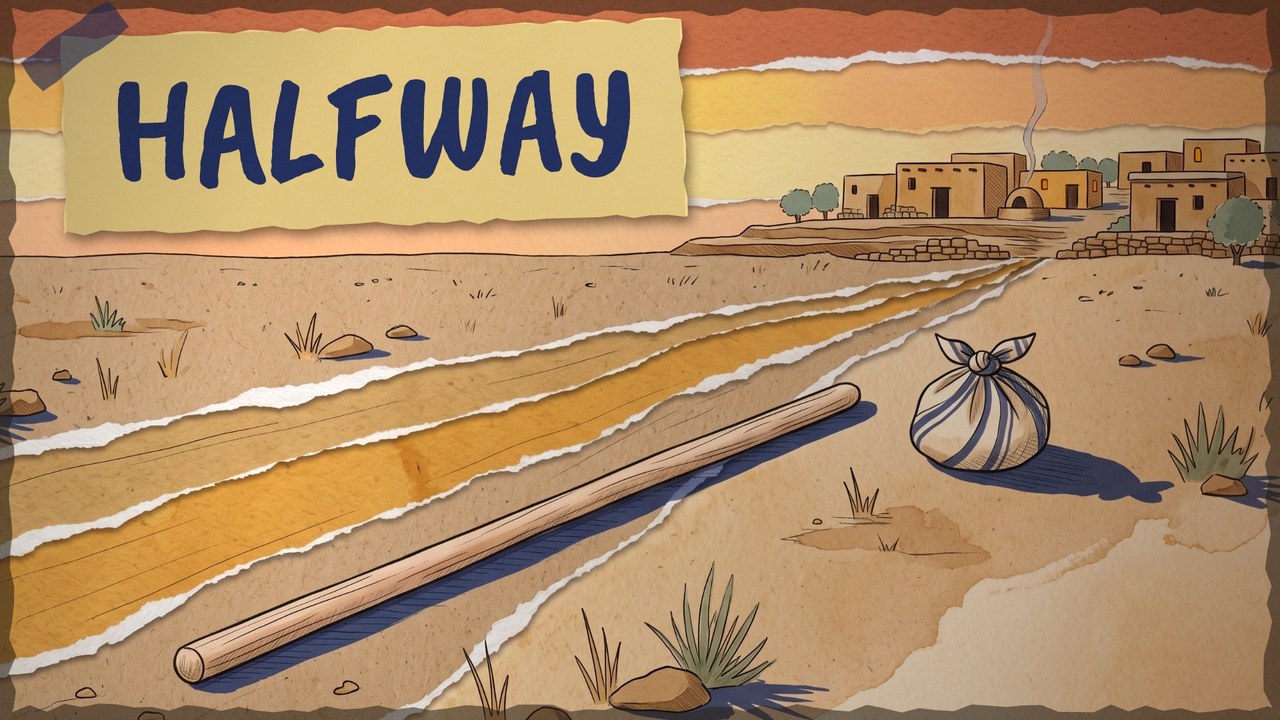
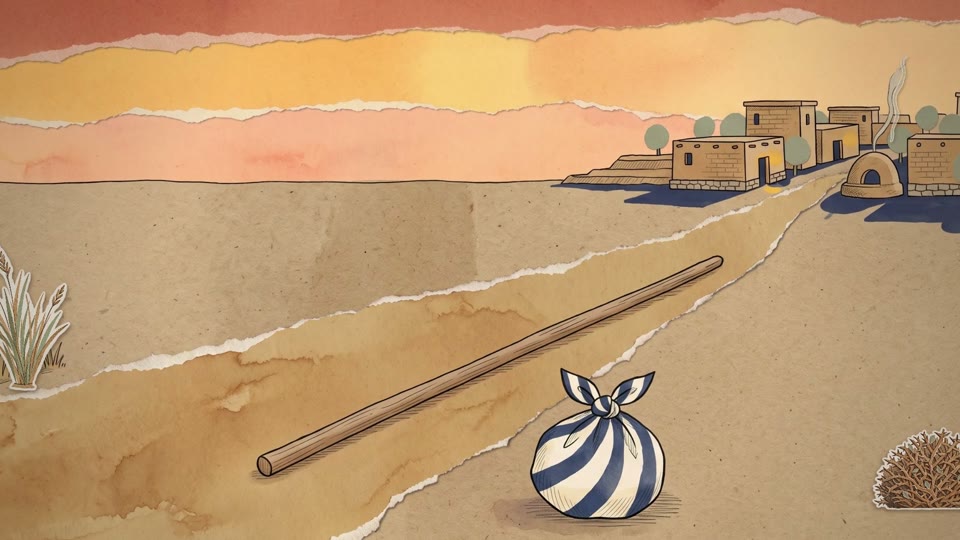
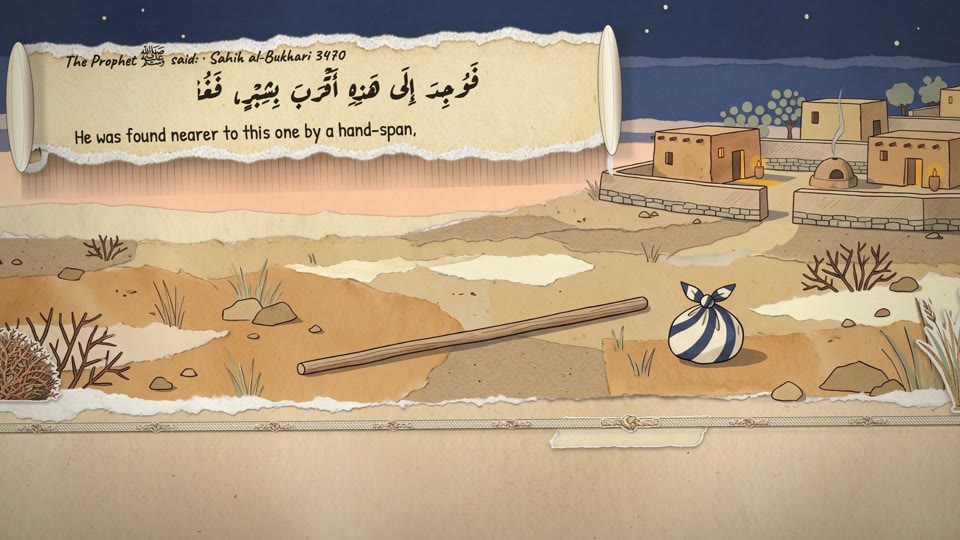
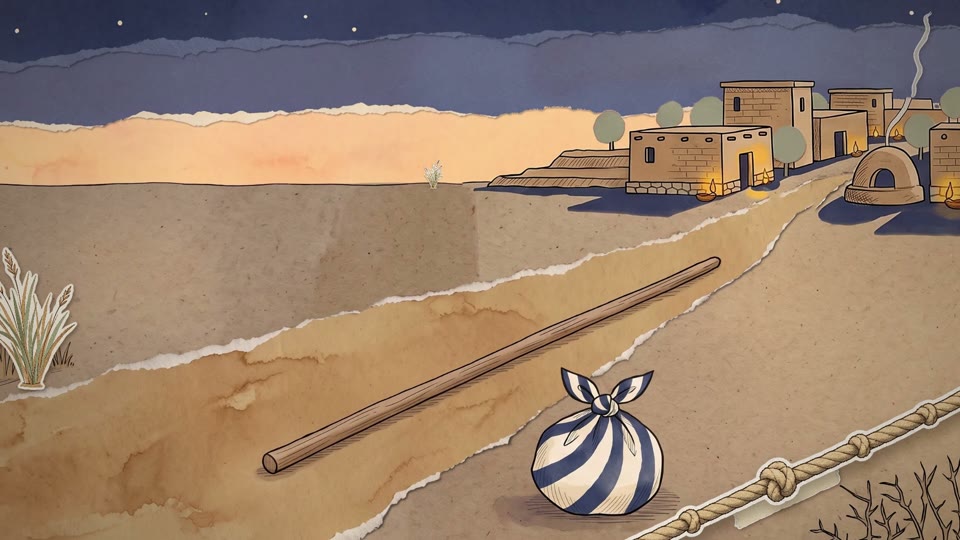
HALFWAY: the staff and bundle lying on the empty road at late afternoon, the good village far off on its rise. The same picture opens the film.
Qaf long-form · YouTube film · for review
A 12:51 paper-collage film on the hadith of the man who killed ninety-nine, then a monk, and was forgiven (Sahih al-Bukhari 3470, Sahih Muslim 2766). Every detail is credited to the wording it comes from: the monk's no, the man of knowledge's yes, death about halfway, the land commanded to draw near, a single hand-span. Then it covers what the scholars say about a killer's repentance and the rights of the people he killed.
Upload pair A first: an inconclusive test keeps the first option.
Pair A · searchable · upload first
HALFWAY: the staff and bundle lying on the empty road at late afternoon, the good village far off on its rise. The same picture opens the film.
Pair B · curiosity
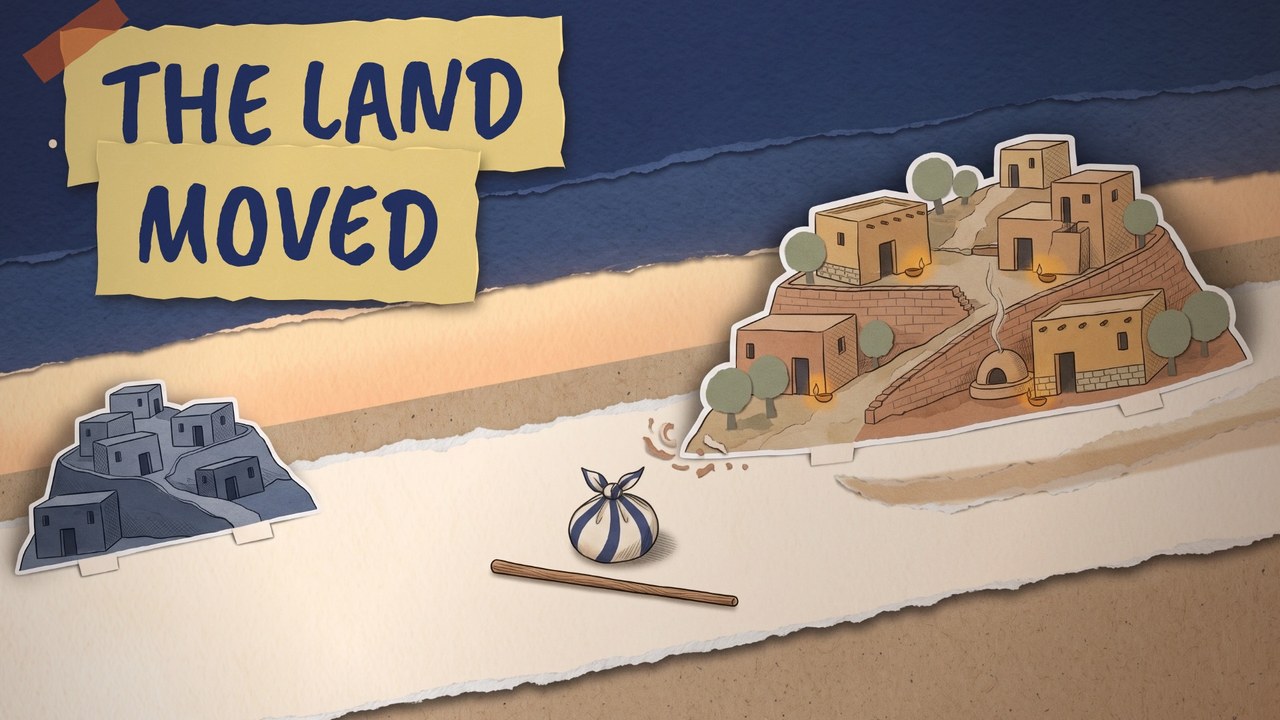
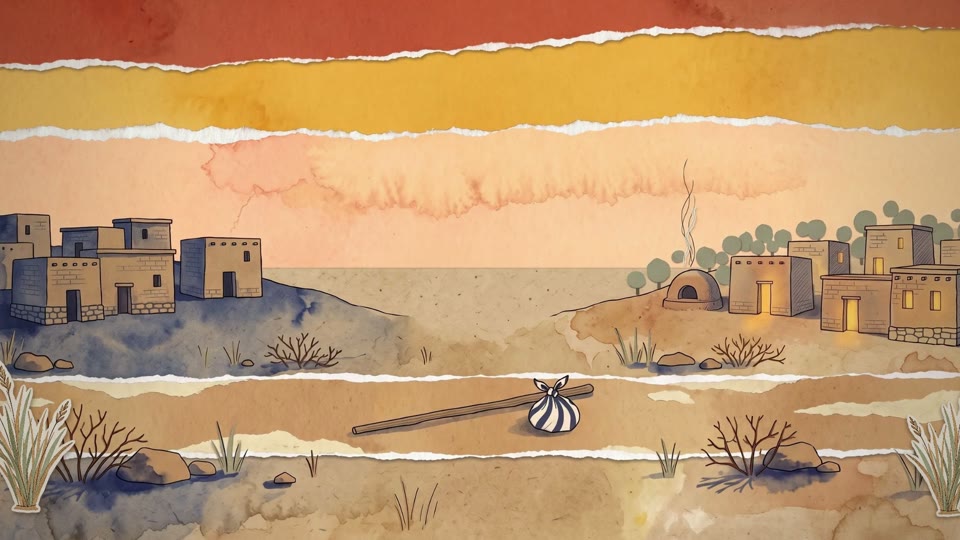
THE LAND MOVED: the good village's paper hill slides along the road toward the staff and bundle, the other hill drawn back in cold shade.
Pair C · story
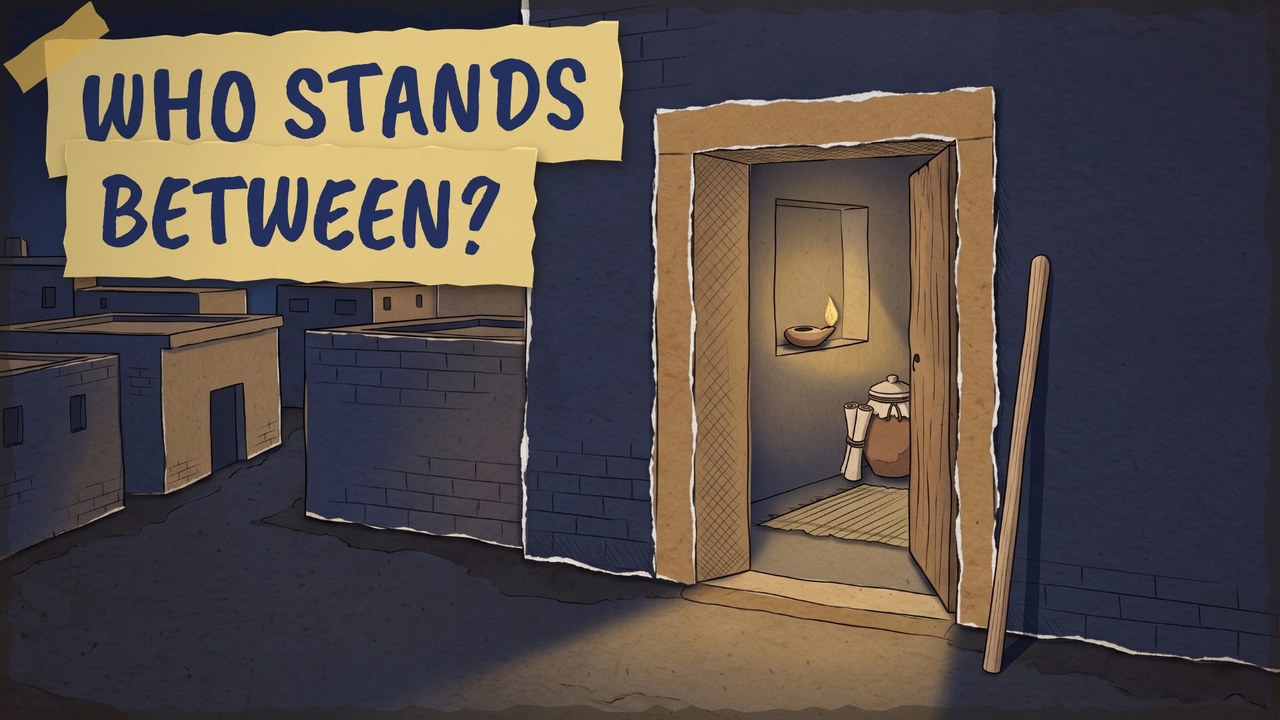
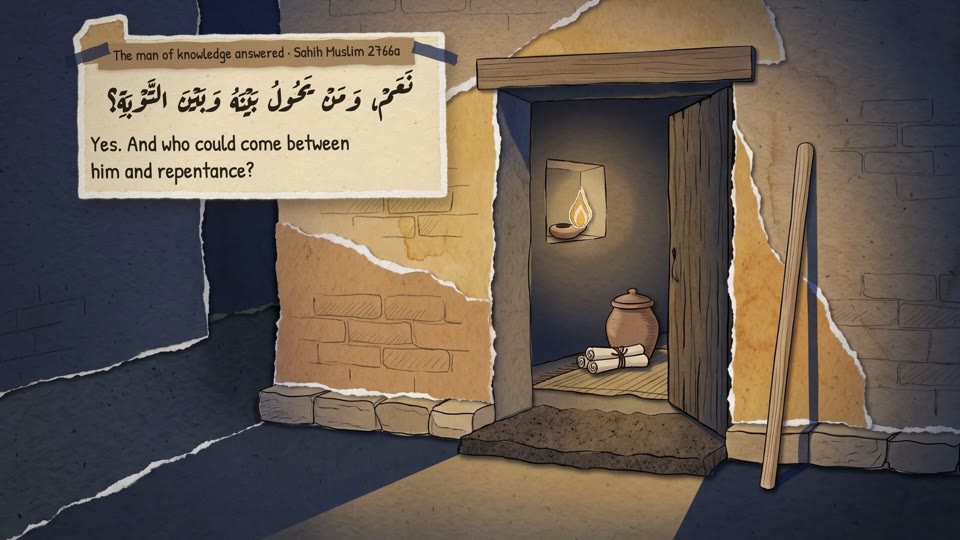
WHO STANDS BETWEEN?: the man of knowledge's open doorway at night, lamplight on the empty lane, the traveller's staff leaning by the wall.
How was the man who killed 100 people forgiven? The hadith of the man who killed 99, then a monk, told from Sahih al-Bukhari and Sahih Muslim.
No music: only ambience and paper sounds.

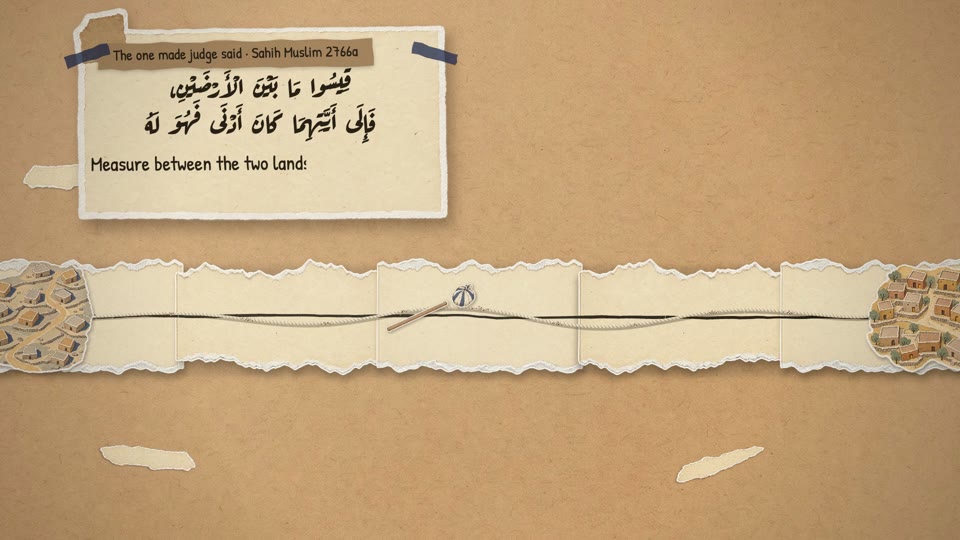
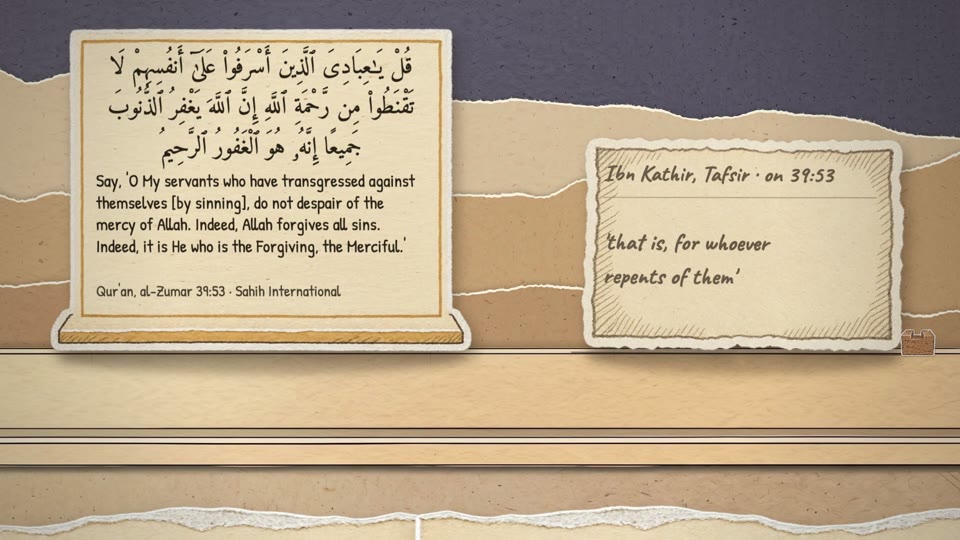
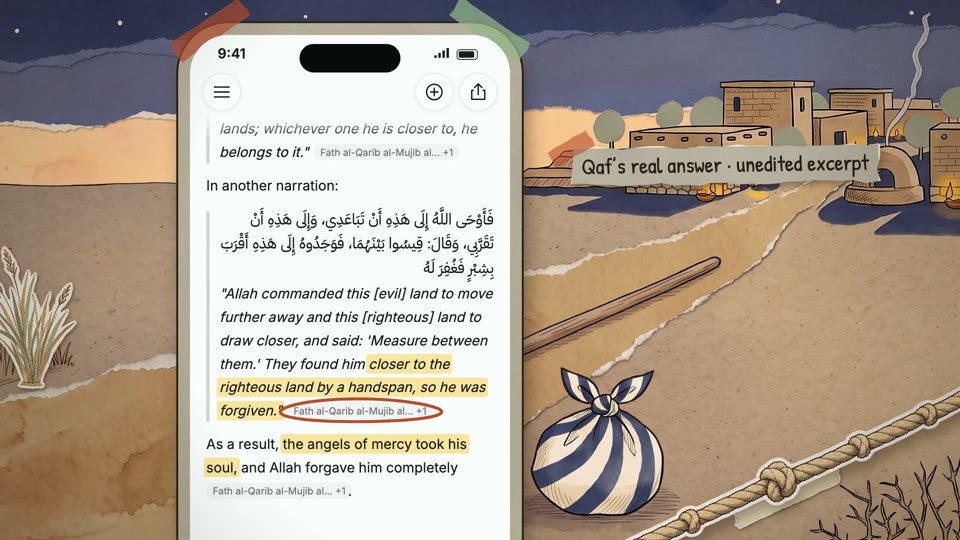
The Prophet ﷺ told this story himself. Among the Children of Israel, a man who had killed ninety-nine people asked a monk whether he could repent, was told "no", and killed him too, completing a hundred. A man of knowledge answered: "Yes. And who could come between him and repentance?" He set out for a land of people who worshipped Allah and died about halfway down the road. In al-Bukhari's wording, the land itself was commanded to draw near, he was found nearer by a single hand-span, and he was forgiven. We credit every detail to the wording it comes from, then look at what the scholars (Ibn Abbas, Ibn Hajar, al-Nawawi, Ibn Kathir, Ibn al-Qayyim) said about a killer's repentance (tawbah) and the rights of the people he killed. Hope, the scholars say, is not permission.

CHAPTERS
00:00 Forgiven After Taking a Hundred Lives
01:48 The Monk Who Said No
03:02 Who Stands Between?
04:03 Death Halfway There
05:22 Can a Killer Be Forgiven?
07:30 What About the Victims?
09:12 Nearer by a Hand-Span
11:01 Hope, Not a Licence
12:26 Ask Your Own Question

SOURCES
Hadith (the narrations in Sahih al-Bukhari and Sahih Muslim are sahih; Ibn Majah grades are Darussalam's, as on sunnah.com)
• Sahih al-Bukhari 3470: the story in Shu'bah's wording: ninety-nine, the monk, the land commanded to draw near, nearer by a hand-span, "so he was forgiven". https://sunnah.com/bukhari:3470
• Sahih Muslim 2766a: Hisham's longer wording: the man of knowledge's "Yes", halfway down the road, the dispute of the angels, "the angels of mercy took him". https://sunnah.com/muslim:2766a
• Sahih Muslim 2766b: the monk's "There is no repentance for you"; nearer by a hand-span, "counted among its people". https://sunnah.com/muslim:2766b
• Sahih Muslim 2766c: the lands commanded to move. https://sunnah.com/muslim:2766c
• Sunan Ibn Majah 2622 (Sahih): Abu Sa'id al-Khudri's opening, "My ears heard it, and my heart retained it." https://sunnah.com/ibnmajah:2622
• Sahih al-Bukhari 4810 and Sahih Muslim 122: people who had killed much asked about expiation, and verses including 39:53 and 25:68 were revealed. https://sunnah.com/bukhari:4810 and https://sunnah.com/muslim:122
• Ibn Abbas on 4:93: Sahih al-Bukhari 4590 https://sunnah.com/bukhari:4590, 4764 https://sunnah.com/bukhari:4764, 3855 https://sunnah.com/bukhari:3855; Sahih Muslim 3023a https://sunnah.com/muslim:3023a
• al-Adab al-Mufrad 4 (sahih per al-Albani): Ibn Abbas to a man who had killed: "Repent to Allah and draw near to Him as much as you can." https://sunnah.com/adab:4
• Sunan Ibn Majah 2621 (Sahih): the killer and the slain on the Day of Resurrection. https://sunnah.com/ibnmajah:2621
• Musannaf Ibn Abi Shaybah 27753 (a report; Ibn Hajar: "its men are reliable"): Ibn Abbas's severe answer, read as deterrence.
Qur'an (translation: Sahih International)
• 5:32, 39:53, 25:68-70 and 4:93: https://quran.com/5/32, https://quran.com/39/53, https://quran.com/25/68-70, https://quran.com/4/93
Classical works
• Ibn Hajar, Fath al-Bari (on al-Bukhari 3470); al-Nawawi, Sharh Sahih Muslim 17/82; Ibn Kathir, Tafsir (on 4:93)
• Ibn al-Qayyim, al-Da' wa al-Dawa' (in al-Mardawi, al-Insaf 10/335); al-Qurtubi, al-Mufhim 7/91-93; Qadi Iyad, Ikmal al-Mu'lim 8/268-269
• al-Ayni, Umdat al-Qari 16/56; al-Ubbi (in al-Harari, Murshid Dhawi al-Hija 15/280-281); Ibn Hibban, Sahih (al-Ihsan, no. 611); Ibn al-Mulaqqin, al-Tawdih 19/642
• al-Nawawi, Riyad al-Salihin, chapter on Repentance, no. 20: https://sunnah.com/riyadussalihin:20
Researched with Qaf AI, then checked against the primary sources above. If you spot an error, tell us in the comments; corrections are pinned.

ASK YOUR OWN QUESTION
Qaf AI: answers drawn from 8,500 Islamic books.
iPhone: https://link.qaf.ai/ios
Android: https://link.qaf.ai/android
Web: https://qaf.ai
Qaf is a research tool. For fatwas, consult a scholar.

ABOUT THIS FILM
Hand-made paper-collage animation. Out of respect, the Prophet ﷺ and the angels are never depicted, and the man himself is never drawn. The killings are told, never shown.
Narration: AI voice (Google Gemini text-to-speech). Research, script, illustration direction and animation by the Qaf team; illustrations made with AI image tools in our paper-collage style.
No music: only ambience and paper sounds. Sound effects and ambience: CC0 recordings from Freesound and sounds synthesized for this series; the full list with links is at https://hundred-killer-story.pages.dev/credits.html

#Islam #Hadith #Repentance
man who killed 100 people, man who killed 100 people hadith, man who killed 99 people hadith, man who killed 99 people, hadith of the man who killed 99, story of the man who killed 100 people, hadith of repentance, tawbah, can a murderer be forgiven in islam, sahih bukhari 3470
Which moment stays with you most: the monk's "no", the scholar's "who could come between him and repentance?", or the hand-span?
Every source is in the description. Spotted a mistake? Reply here and we'll pin the correction.
Ask Qaf AI your own question: https://link.qaf.ai/ios · https://link.qaf.ai/android